
Spring 2026 Exhibitions at the Musée d’Orsay
Renoir and Love. A Joyful Modernity (1865-1885)
From March 17th to July 19th, 2026
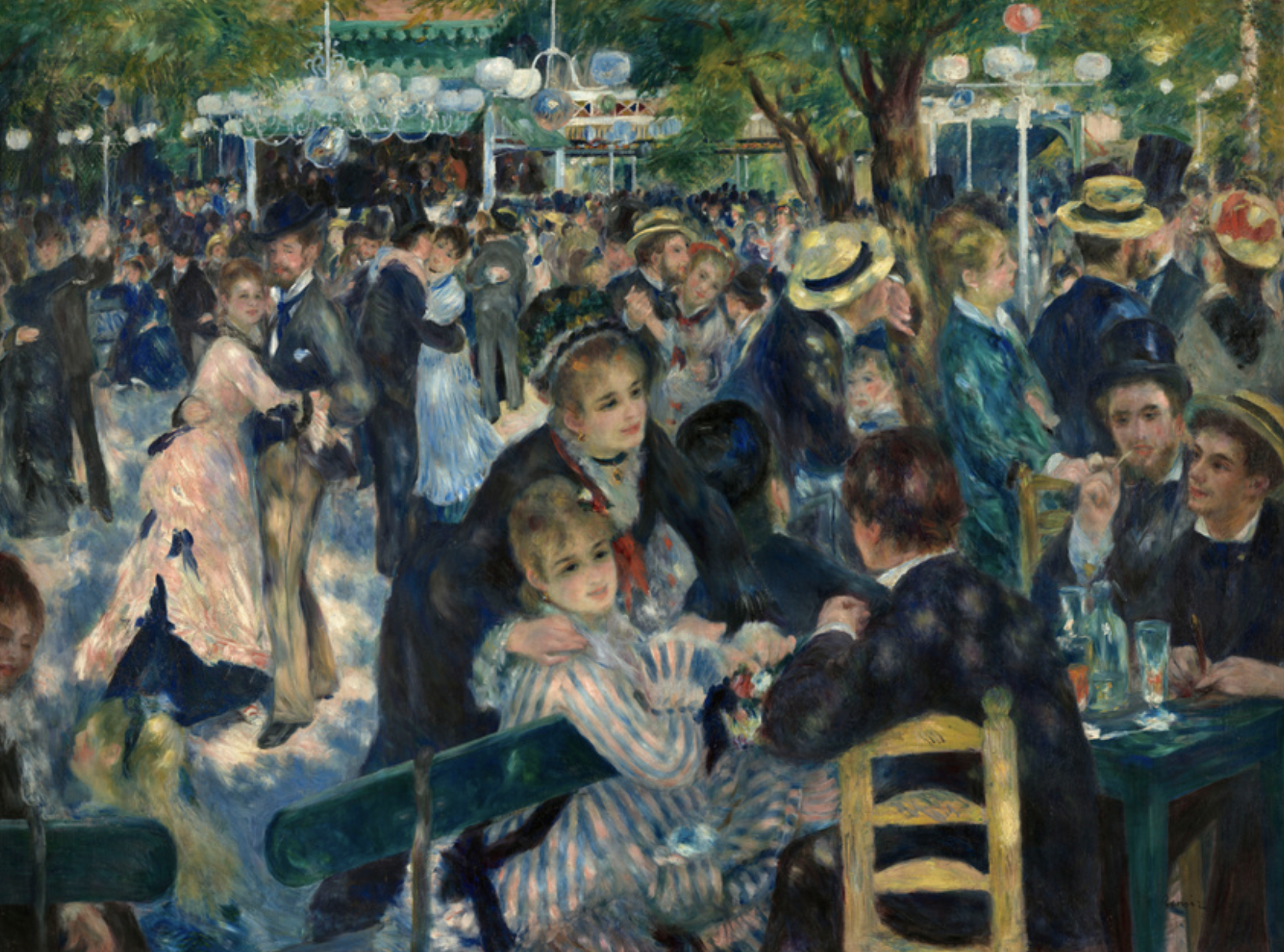
Auguste Renoir, Bal du moulin de la Galette, 1896, © RMN-Grand Palais (Musée d’Orsay) / Mathieu Rabeau
A major figure in impressionism, Pierre Auguste Renoir, like Manet, Degas, Monet and Caillebotte, is regarded as one of the 19th century’s great painters of modern life. Between the mid-1860s and the 1880s, he developed a light, fluid manner of painting, bursting with light and color, along with new subjects focusing on relationships between men and women.
The Musée d’Orsay’s spring 2026 exhibition, Renoir and Love, explores the artist’s distinctive vision of love as a joyful and unifying force. Moving beyond simple scenes of seduction, Renoir portrayed love as a bond connecting individuals, society, and nature. He set his large-scale masterpieces in the public spaces of 19th-century life—cafés, gardens, theaters, and boulevards—where social classes mingled and new freedoms emerged. Reexamining these iconic works through the universal theme of love, the exhibition reveals their radical character and Renoir’s central role in Impressionism.
Renoir and Drawings
From March 17th to July 5th, 2026
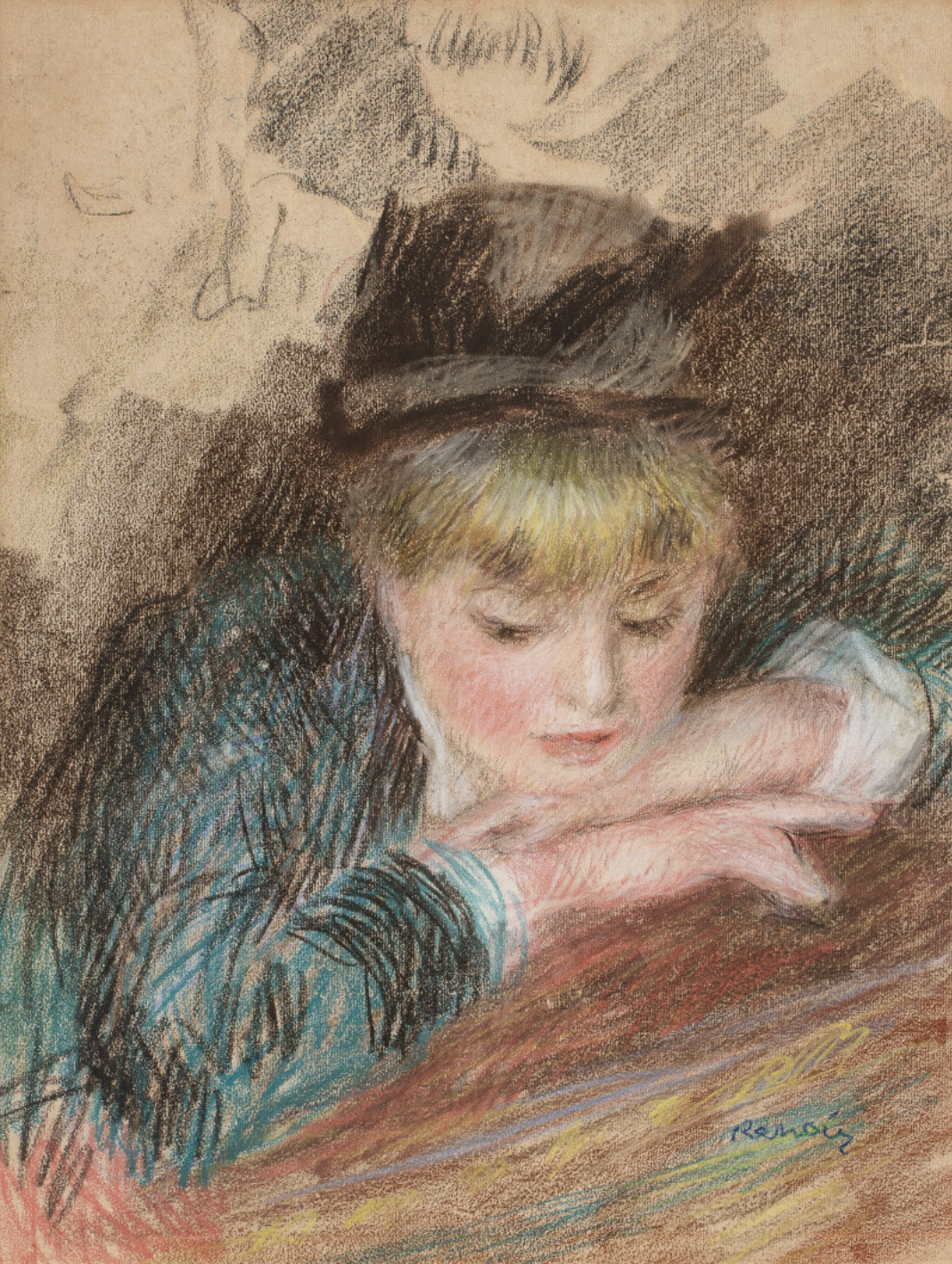
Auguste Renoir, Jeune femme penchée sur un balcon, dit aussi La Loge, 1879
© 2023 Fondation Bemberg / Mathieu Lombard
Although Renoir’s paintings remain icons of impressionism, until now his works on paper (drawings, watercolors, pastels, etc.) have not received the same attention. It is true that the artist, who is recognized above all as a very great painter and colorist, long suffered from a reputation as a poor draftsman. It is also true that his corpus of graphic works is small (Renoir doubtless destroyed many of his drawings) and heterogeneous, including sketches, studies for painted compositions, large-scale tracings, plein air watercolor “notations”, actual portraits in pastel, signed, exhibited and sold to art lovers, and drafts for prints and illustrations. Yet drawing played a decisive role in Renoir’s artistic development, from his first exercises as a student in the 1850s and 1860s to his highly contemporary experiments in the 1910s.
This is the first exhibition to be dedicated to Renoir’s drawings, and highlights the importance of graphic techniques in his artistic development. From early student sketches to studies for iconic paintings, the tour highlights how drawing shaped his artistic development and reveals the close relationship between his sketches and finished masterpieces. Visitors will see a variety of techniques—graphite, charcoal, pastel, watercolor, and more—including the sanguine drawings that became a hallmark of his later work. Featuring around 100 works from international collections, including previously unseen pieces, this exhibition offers a rare glimpse into Renoir’s creative process and the freedom with which he approached form, light, and color.