
The “To Whom Do These Works Belong” Gallery at the Musée d’Orsay
The Musée d’Orsay’s Initiative
More than ever, the Musée d’Orsay is committed to in-depth research on the provenance of its collections. In accordance with the values upheld by the institution and the ethical standards established by ICOM, the Washington Convention (1998), and the Ministry of Culture, the history of the works is now the subject of rigorous attention, and the Musée d’Orsay actively participates in the renewed research on the provenance of works in its collections.
A central focus of this initiative involves works known as the Musées Nationaux Récupération (MNR)—artworks looted by the Nazis and recovered in the aftermath of World War II. Of the 60,000 works returned to France in the aftermath of the war, 225 remain in the care of the Musée d’Orsay and require further research. In addition to the MNR works, AFMO’s support will enable the study of other artworks at the Orsay whose provenance in the years 1933–1945 is still in need of full clarification.
The Musée d’Orsay’s Efforts
In the last 30 years, the Musée d’Orsay has already restituted 15 MNRs. 225 now remain in their care. The provenance of most of these requires more research in order to be restituted, however, in some cases, research has already proven that they were most likely not spoliated and are therefore not returnable. In close collaboration with the ministère de la Culture (Mission de recherche et de restitution des biens culturels spoliés entre 1933 et 1945, M2RS), and in conjunction with the Commission pour la restitution des biens et l’indemnisation des victimes de spoliations antisémites (CIVS), the Musée d’Orsay is committed to a proactive provenance research policy to shed light on its collections and pursue restitutions. This approach relies in particular on the recruitment of independent provenance specialists, made possible thanks to AFMO’s support.
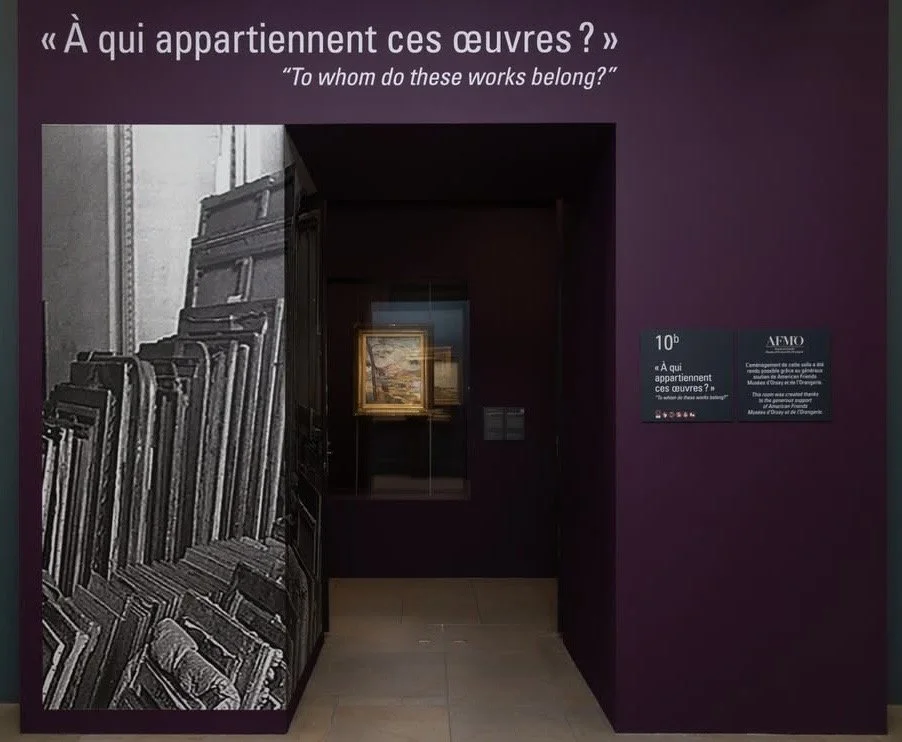
Entrance of the ‘To Whom Do These Works Belong’ Gallery, Room 10B at the Musée d’Orsay
Dedicated Gallery
AFMO supported the creation of a dedicated gallery in room 10B at the Orsay, curated by Dr. Rotermund-Reynard and François Blanchetière. Inaugurated on May 5th 2026, this gallery features a rotating installations of MNR works. By sharing the history of these paintings and the research underway, the gallery serves as a space for reflection and remembrance of this tragic chapter in world history. AFMO’s contribution has been recognized with a plaque in the gallery.
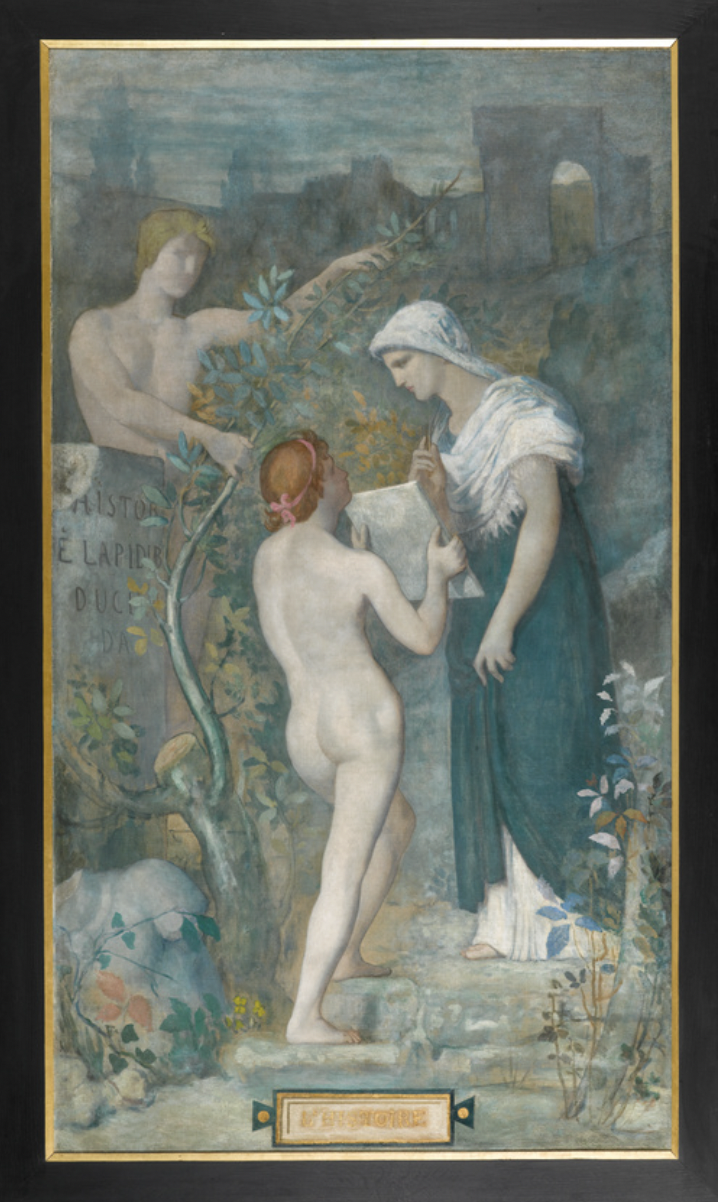
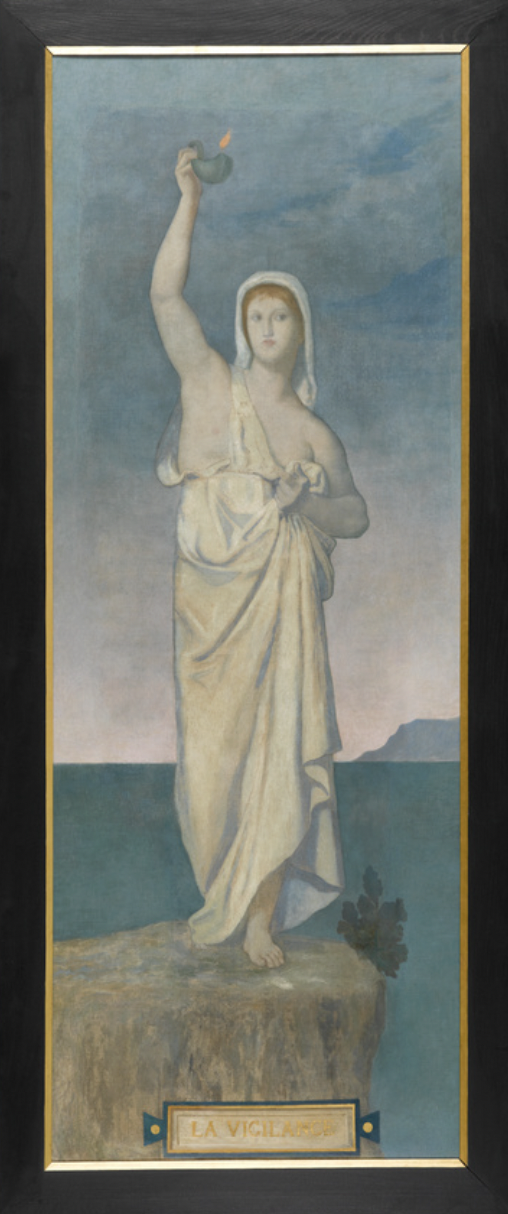
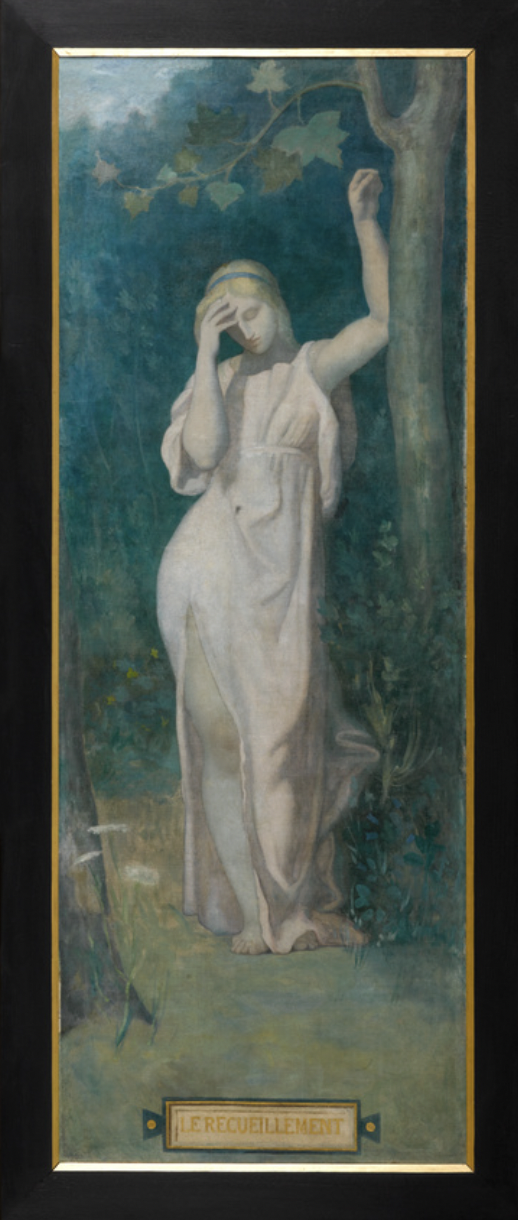
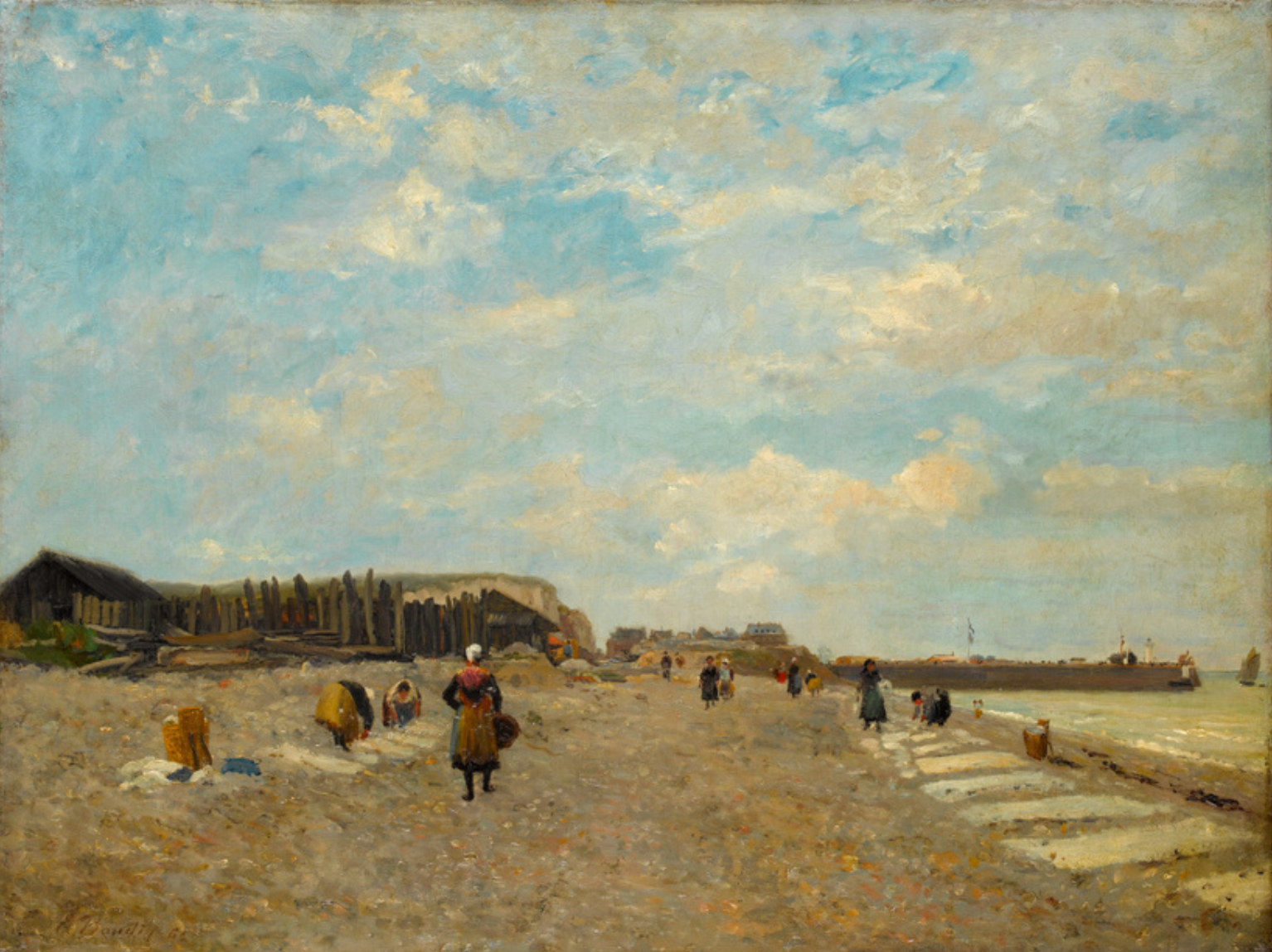
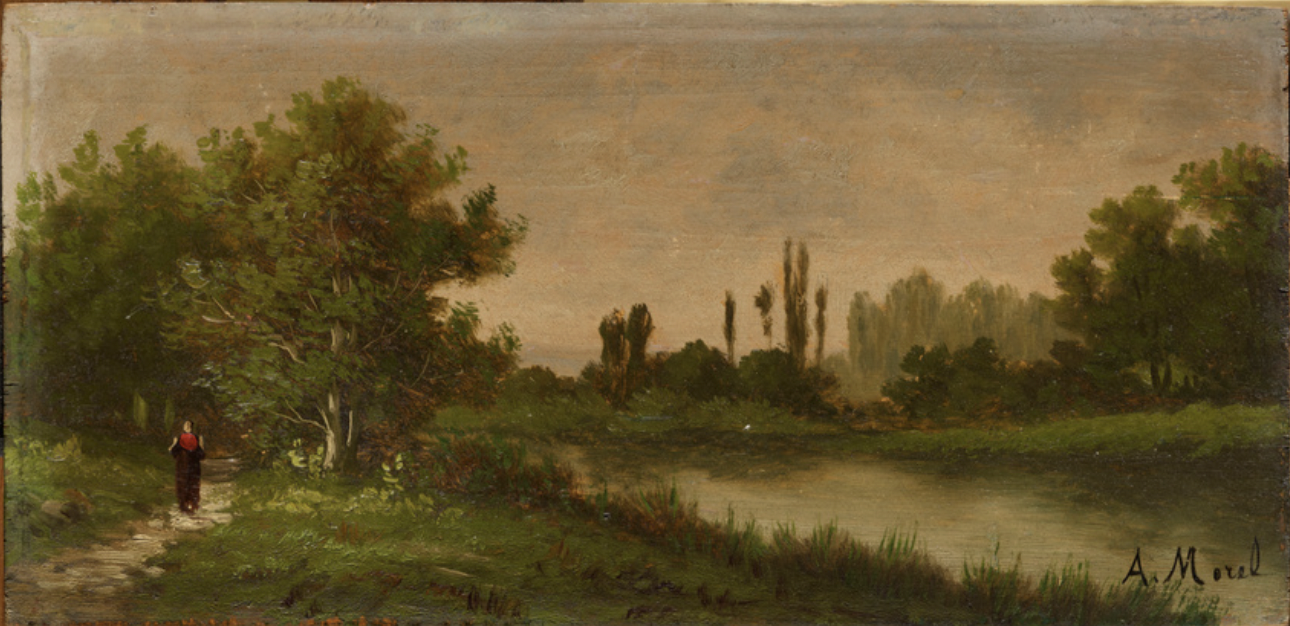
MNRs Exhibited in the ‘To Whom Do These Works Belong’ Gallery:
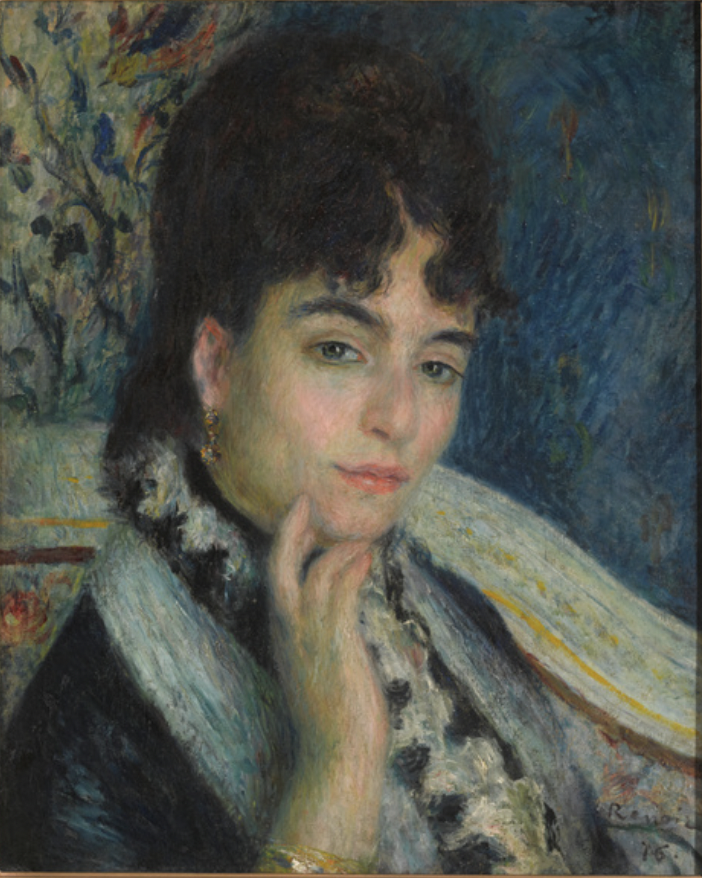
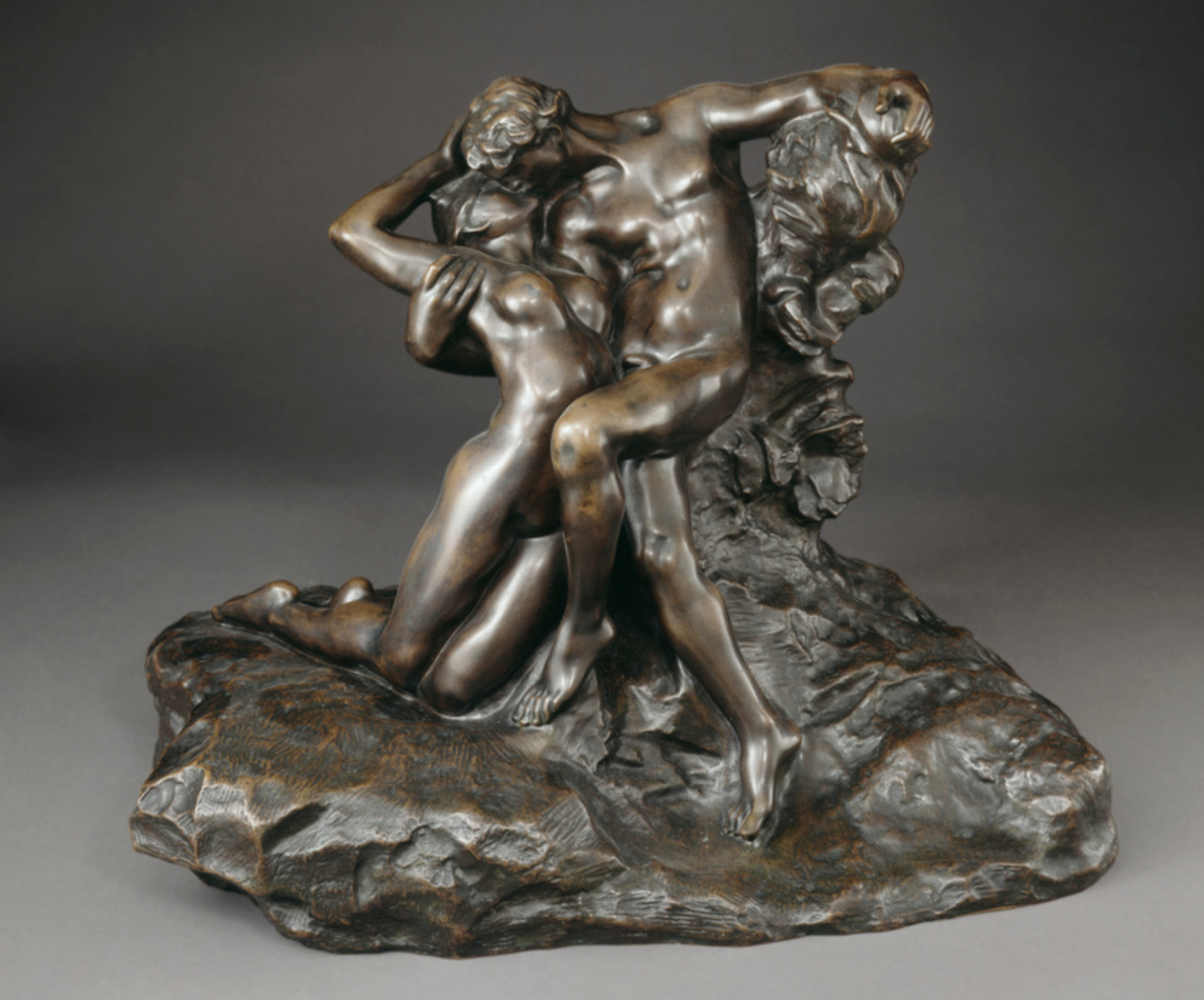
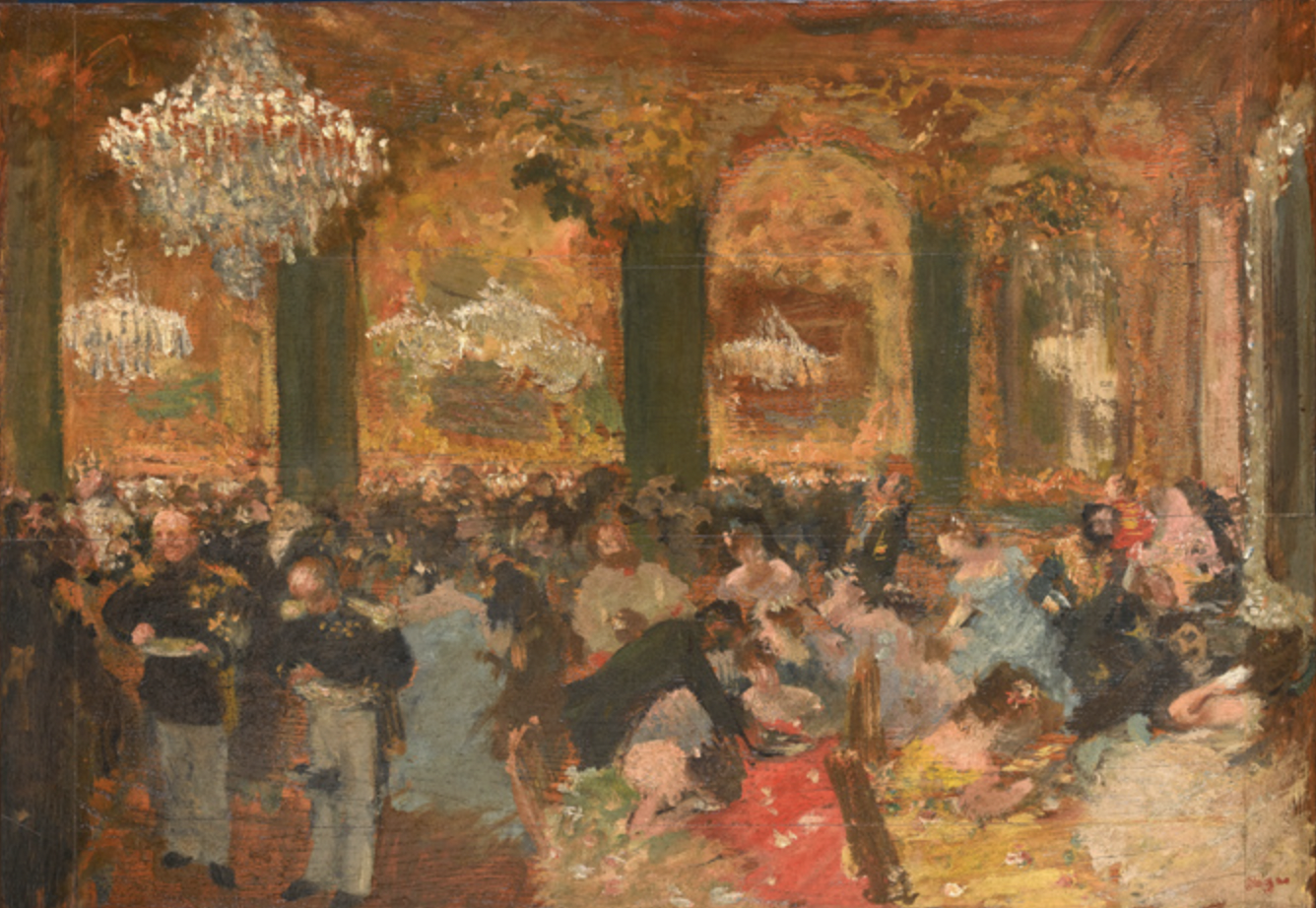
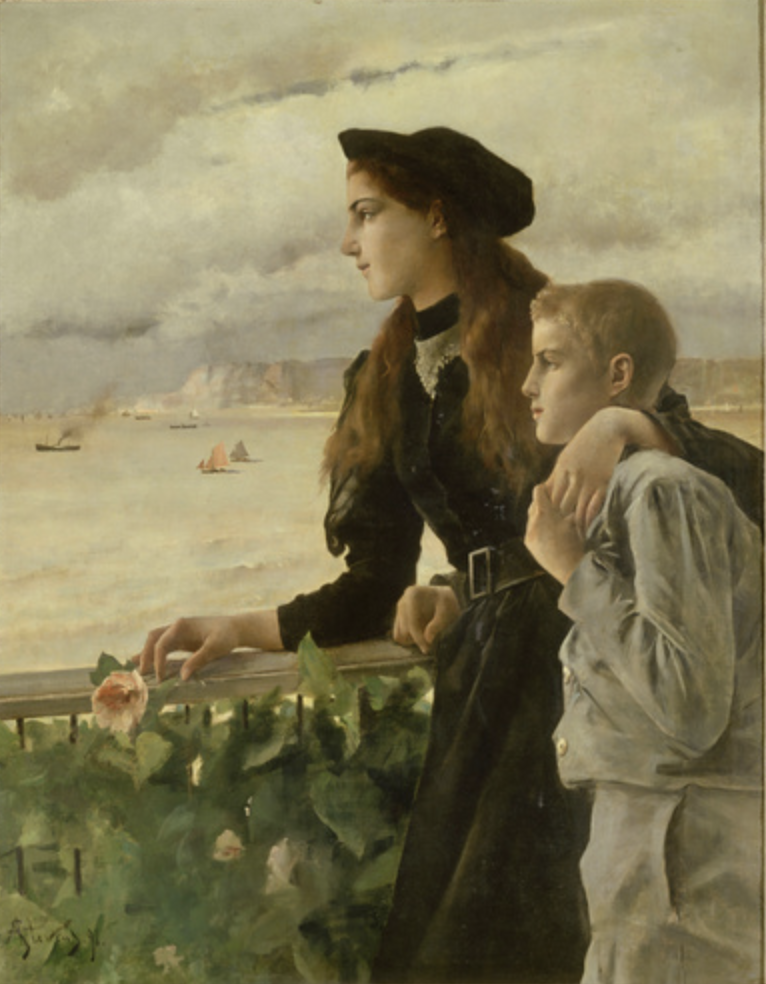
To find out more about the provenance of each work exhibited, click on the image.
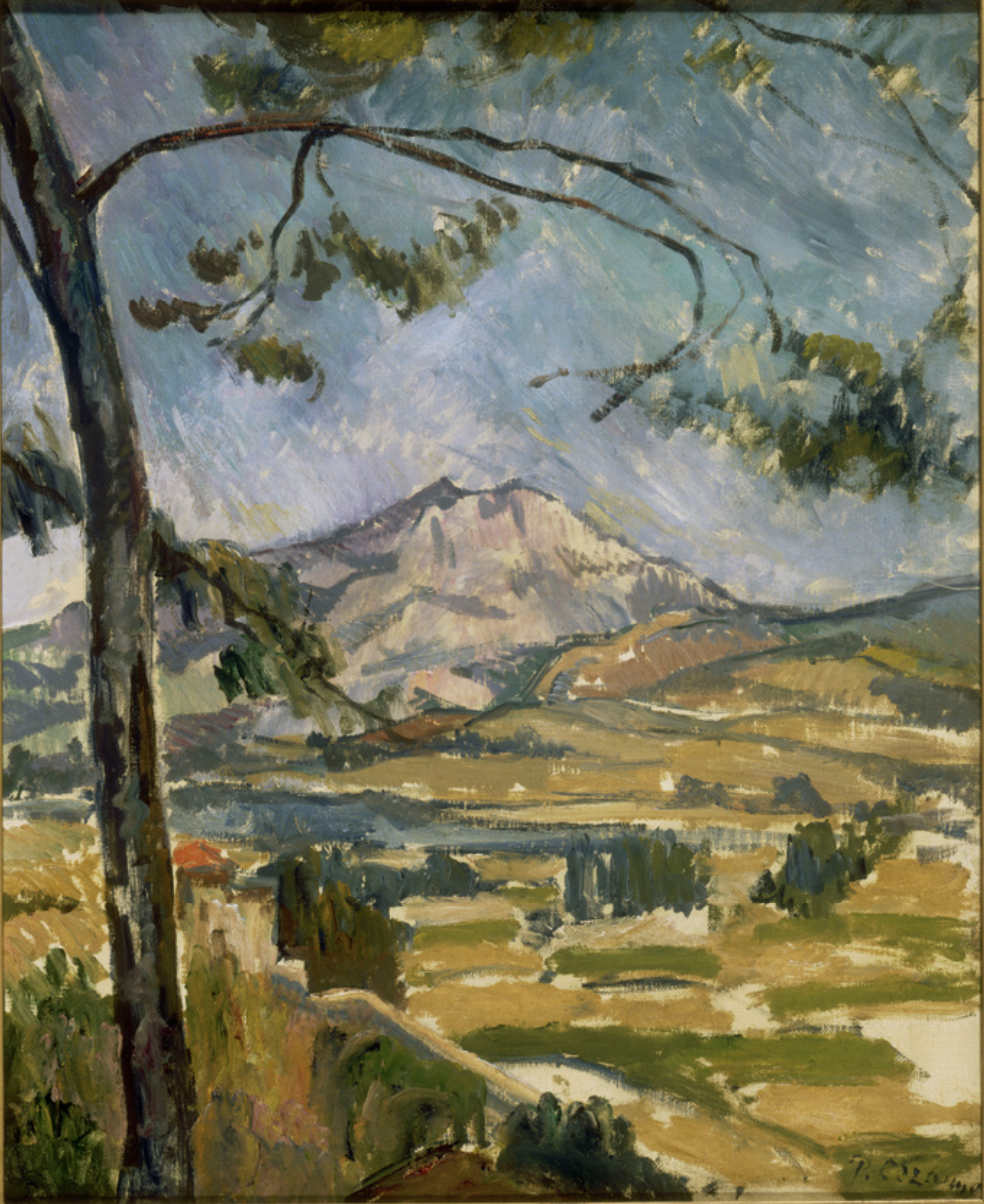
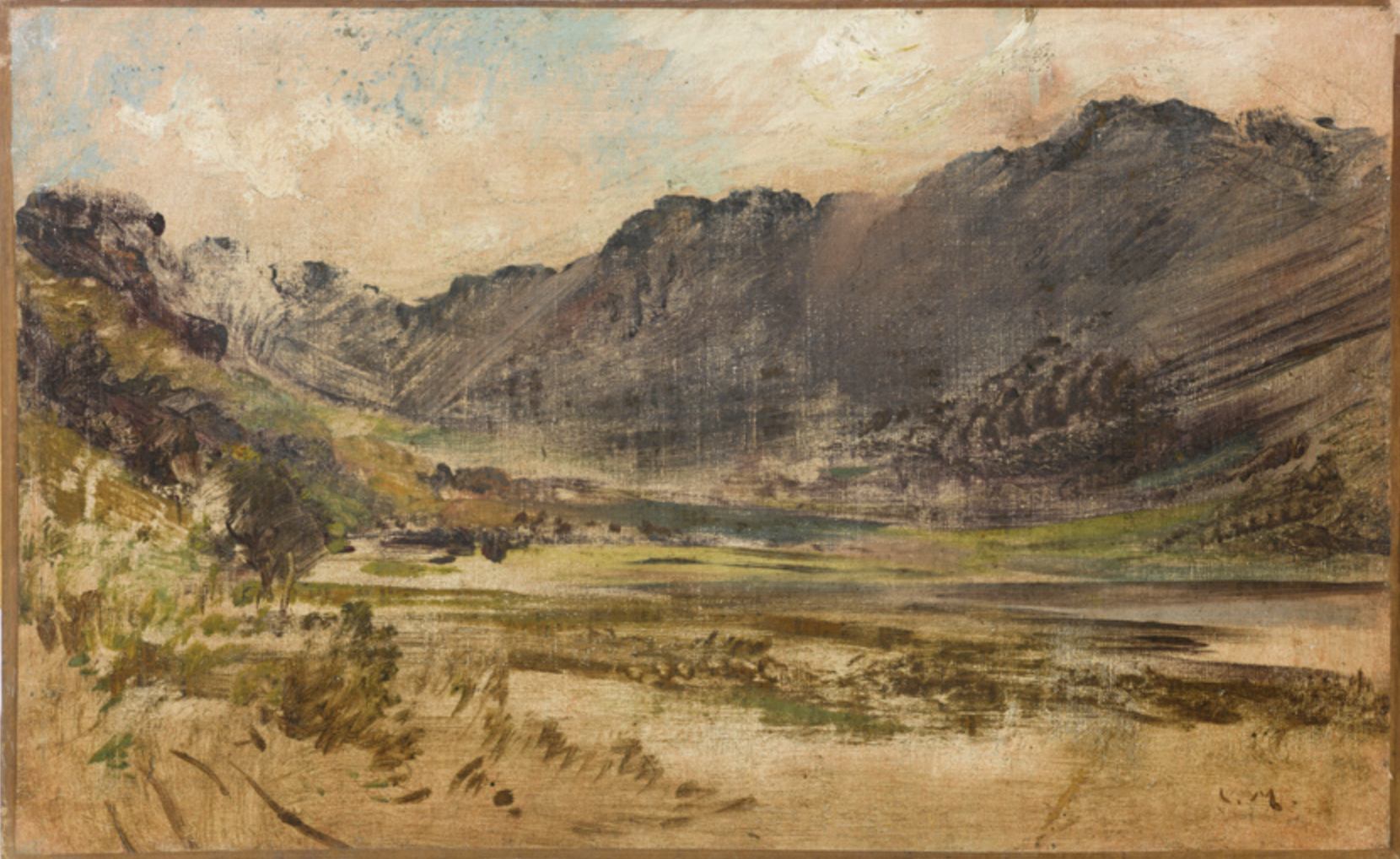
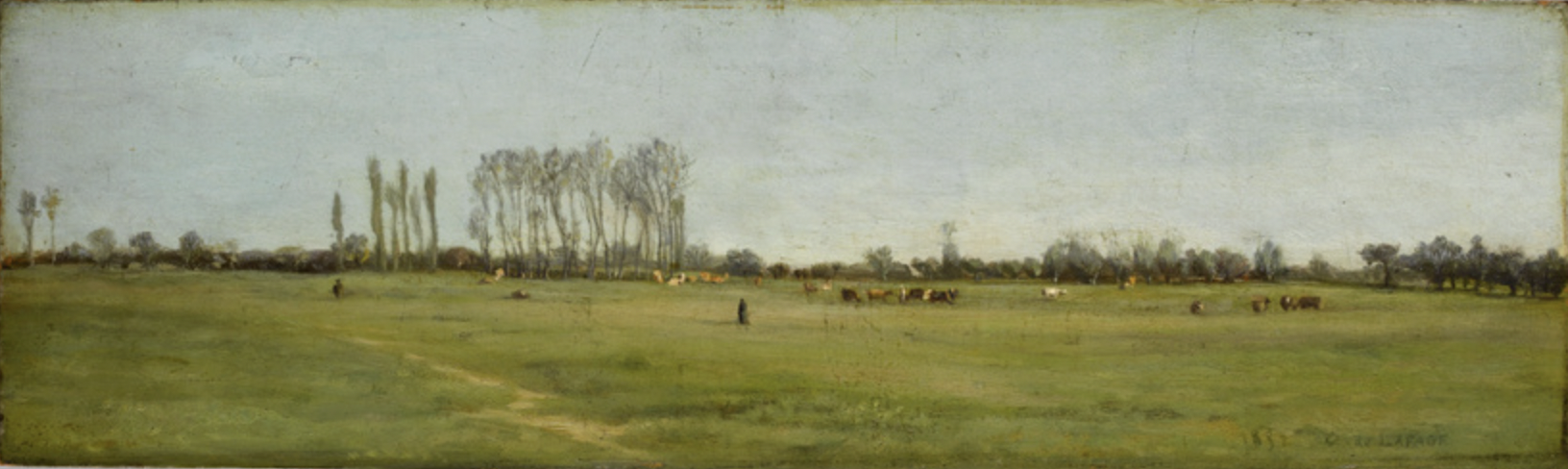
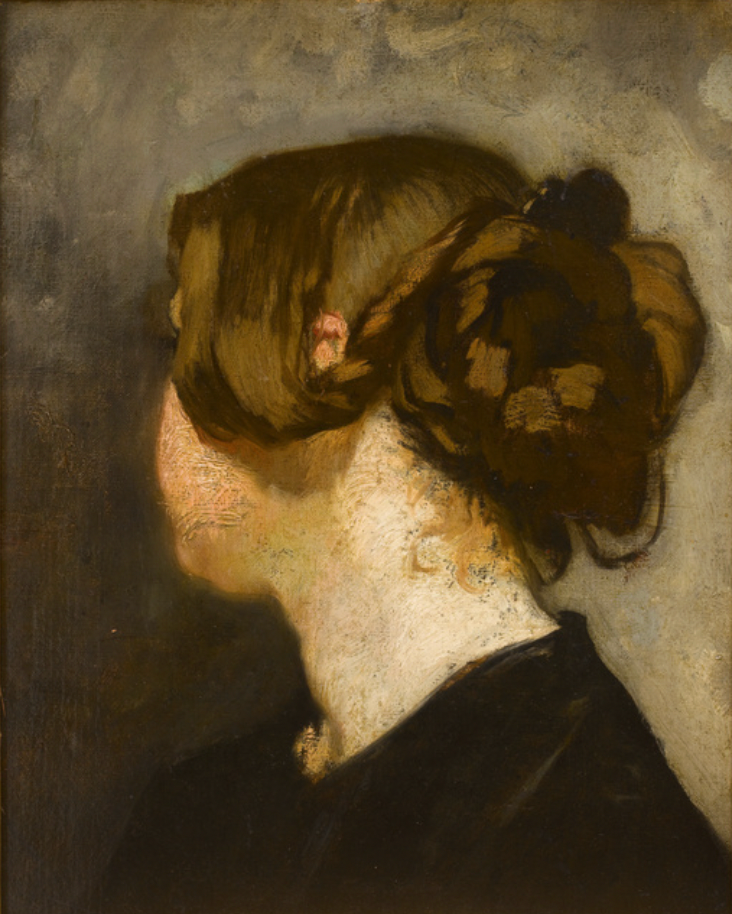
How to spot an MNR
While most of MNR works displayed in the Musée d’Orsay’s collection are now displayed in the ‘To Whom Do These Works Belong?’ gallery, others can be spotted throughout the museum in the permanent collection galleries or as part of temporary exhibitions. For instance, you can currently view Paul Cézanne’s Tête de viellard (MNR 650) in Room 11 on the ground floor. MNR works are recognisable thanks to their purple label.
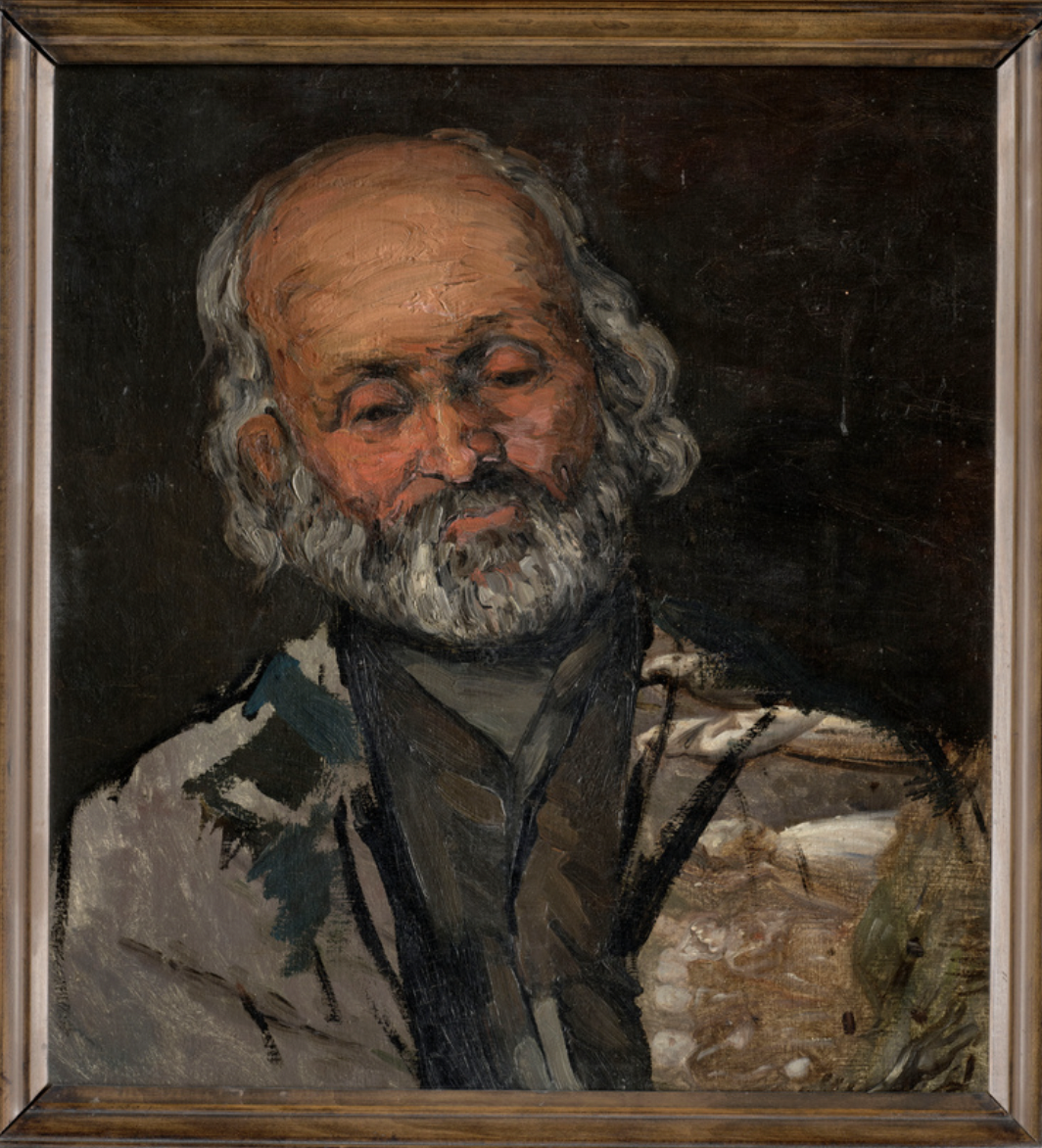
Paul Cézanne, Tête de vieillard (le père Rouvel à Bennecourt ?), around 1866, © GrandPalaisRmn (musée d'Orsay) / Stéphane Maréchalle
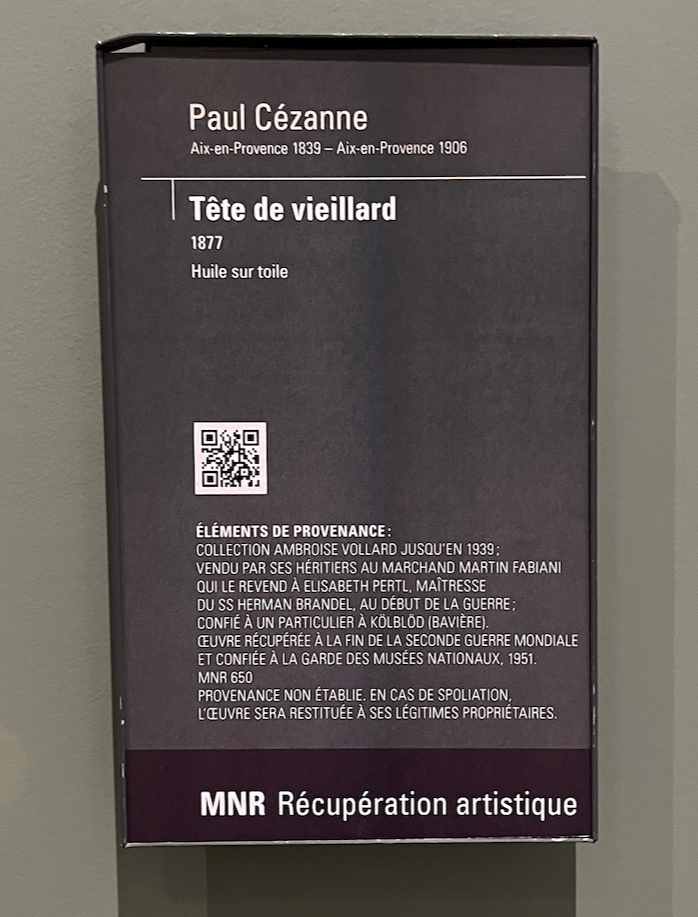
To discover the Musée d’Orsay’s entire MNR collection, please click here.
To discover the complete list of MNR works currently displayed at the Musée d’Orsay, please click here.
The Story of One MNR:
The works shown here is a study of a young woman’s head painted by Thomas Couture, titled Tête de Femme. Though its history between 1933 and 1945 is largely incomplete and is currently undergoing research, we do have some information about it.
Thanks to a barely legible inscription on the painting’s back, we know this painting was a part of the Le[ro]lle collection. In 1940, it is purchased for 20,000 Francs (the equivalent of approximately $11,450 today) in Paris by the Städtische Gallery in Frankfurt. As Germany’s defeat grew imminent, the painting was transported to Rossbach for safekeeping. It then travelled to Wiesbaden’s Central Collecting Point on April 10th, 1946 before being returned to France one month later.
In December 1949, the work is confirmed to be an MNR. In 1967, it is placed in the care of the Musée du Louvre. In 1981, it is entrusted to the Musée d’Orsay.
We still do not know whether or not this work was spoliated, nor do we know who its rightful owners are. That is why the Musée d’Orsay is currently conducting in-depth provenance research on the history of this work, as well as that of the other 214 MNR works in its care.
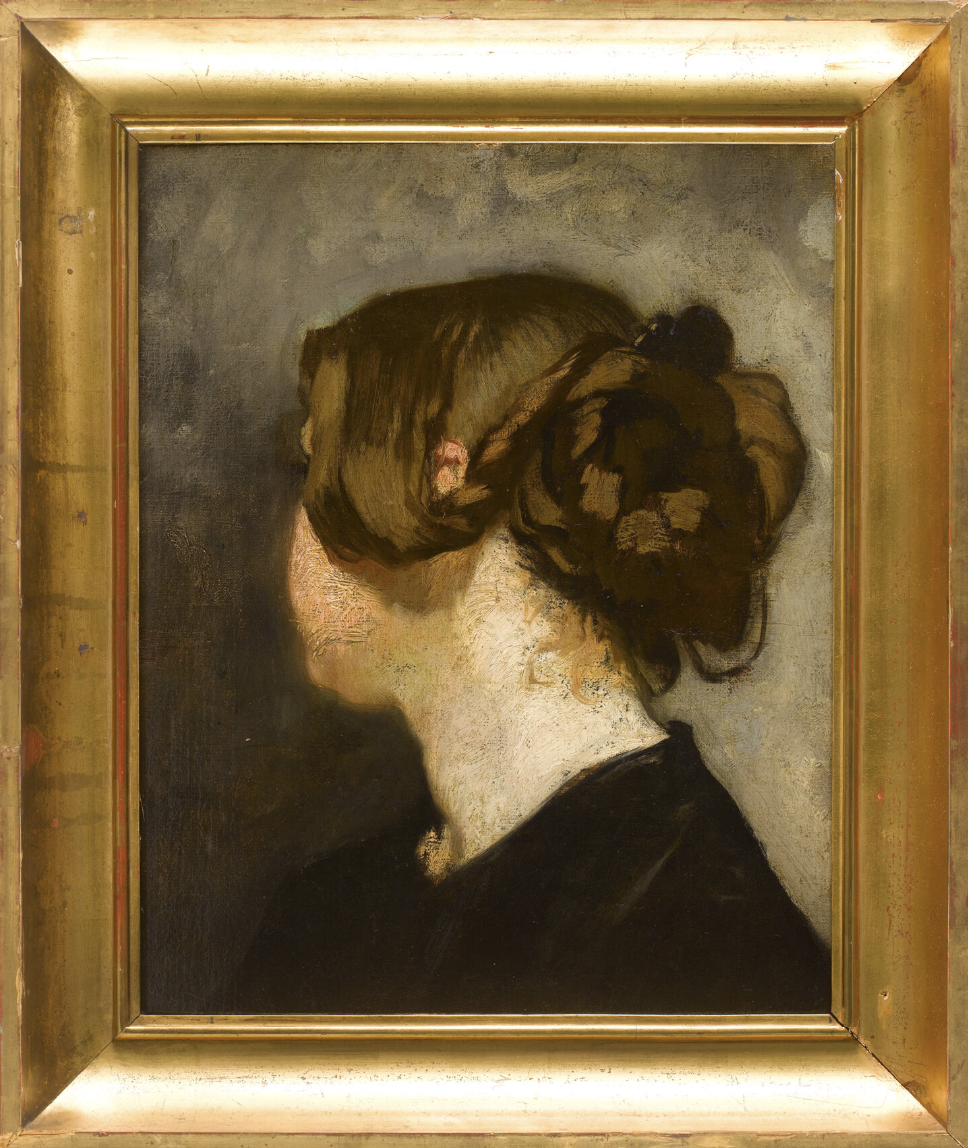
MNR 975, Thomas Couture Tête de femme entre 1815 et 1879 © Musée d’Orsay, Dist. RMN-Grand Palais / Patrice Schmidt
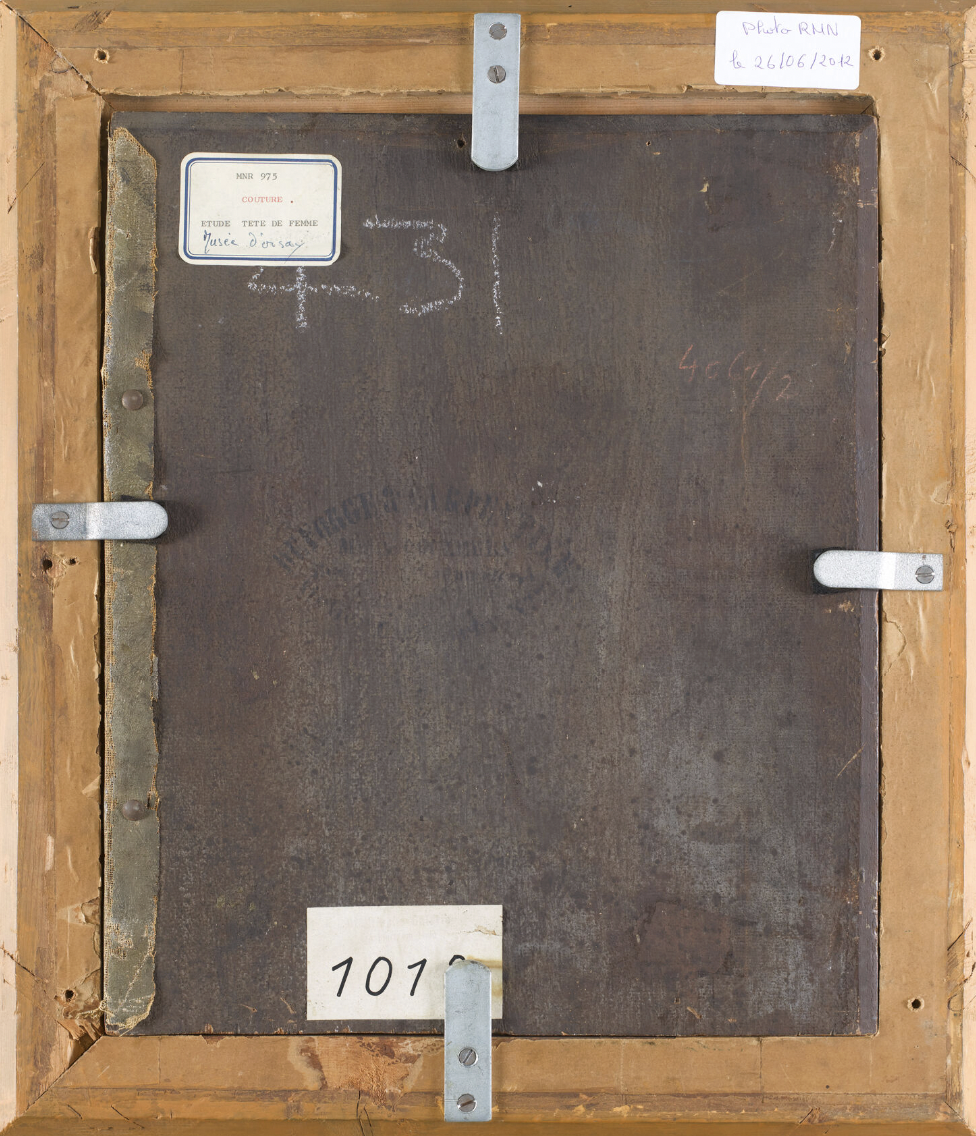
Back of MNR 975